RESIDENTIAL, SUPERMARKET + CHILDCARE
CHIMES STREET DESIGN EXCELLENCE COMPETITION
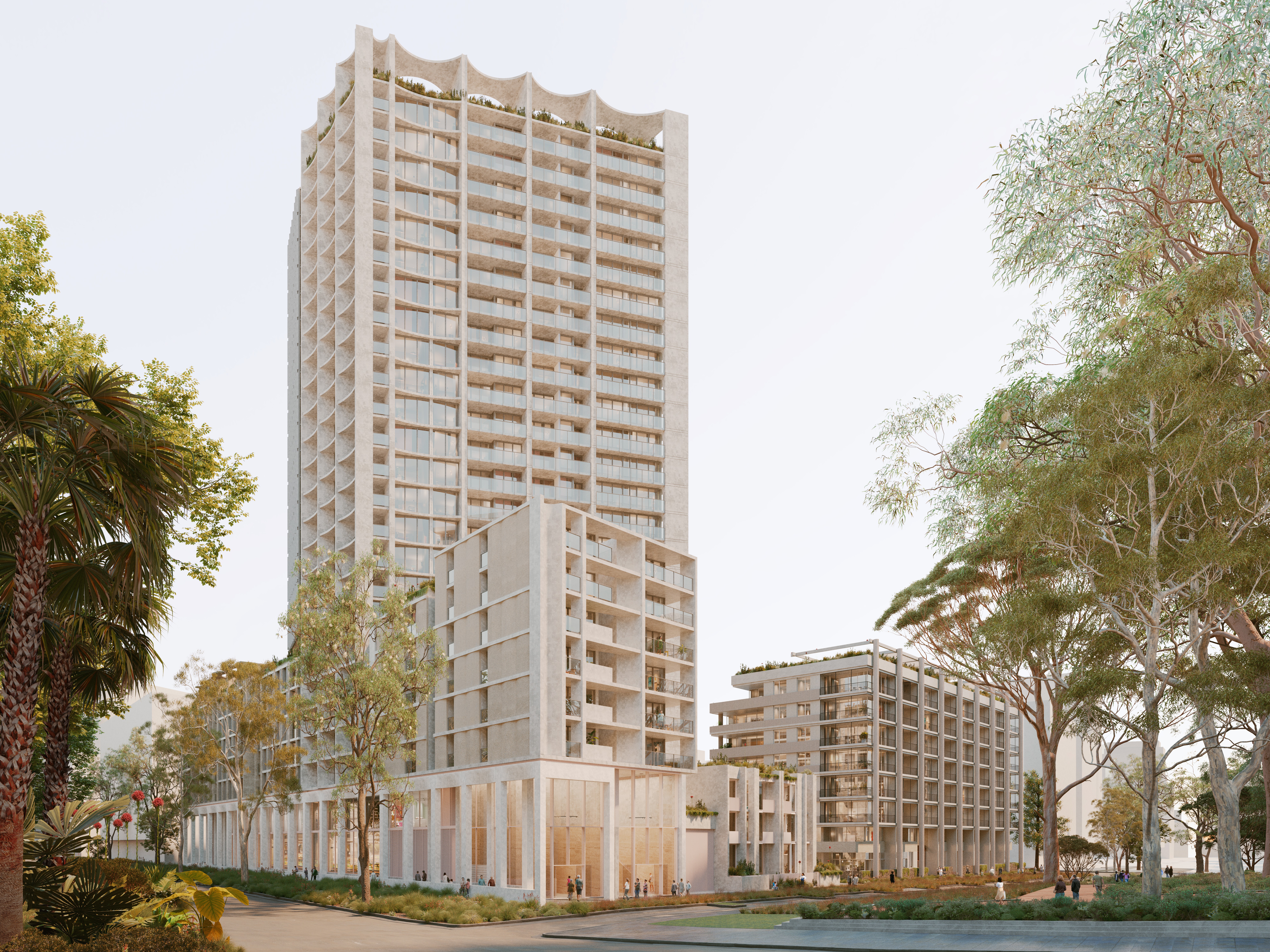
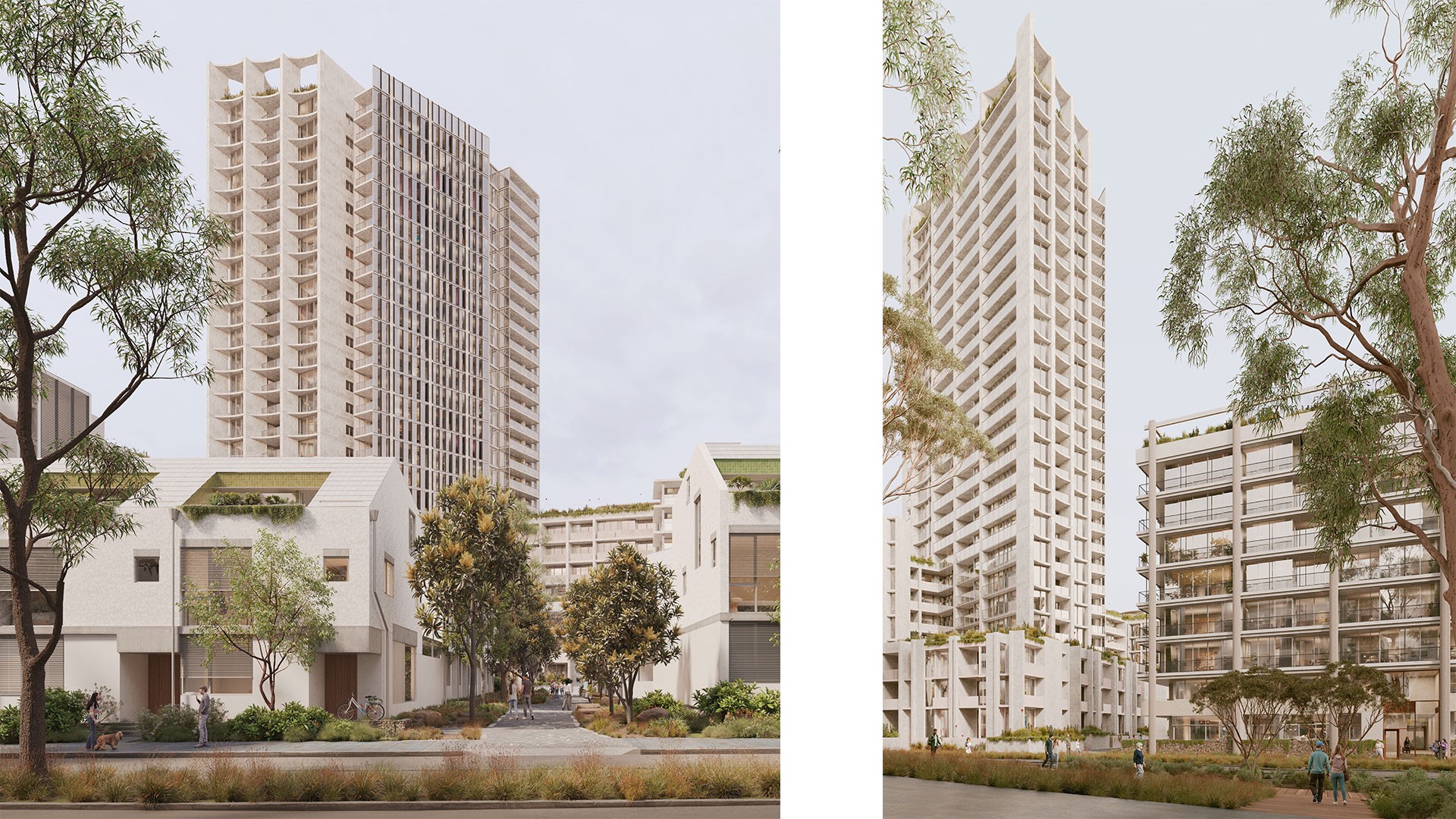
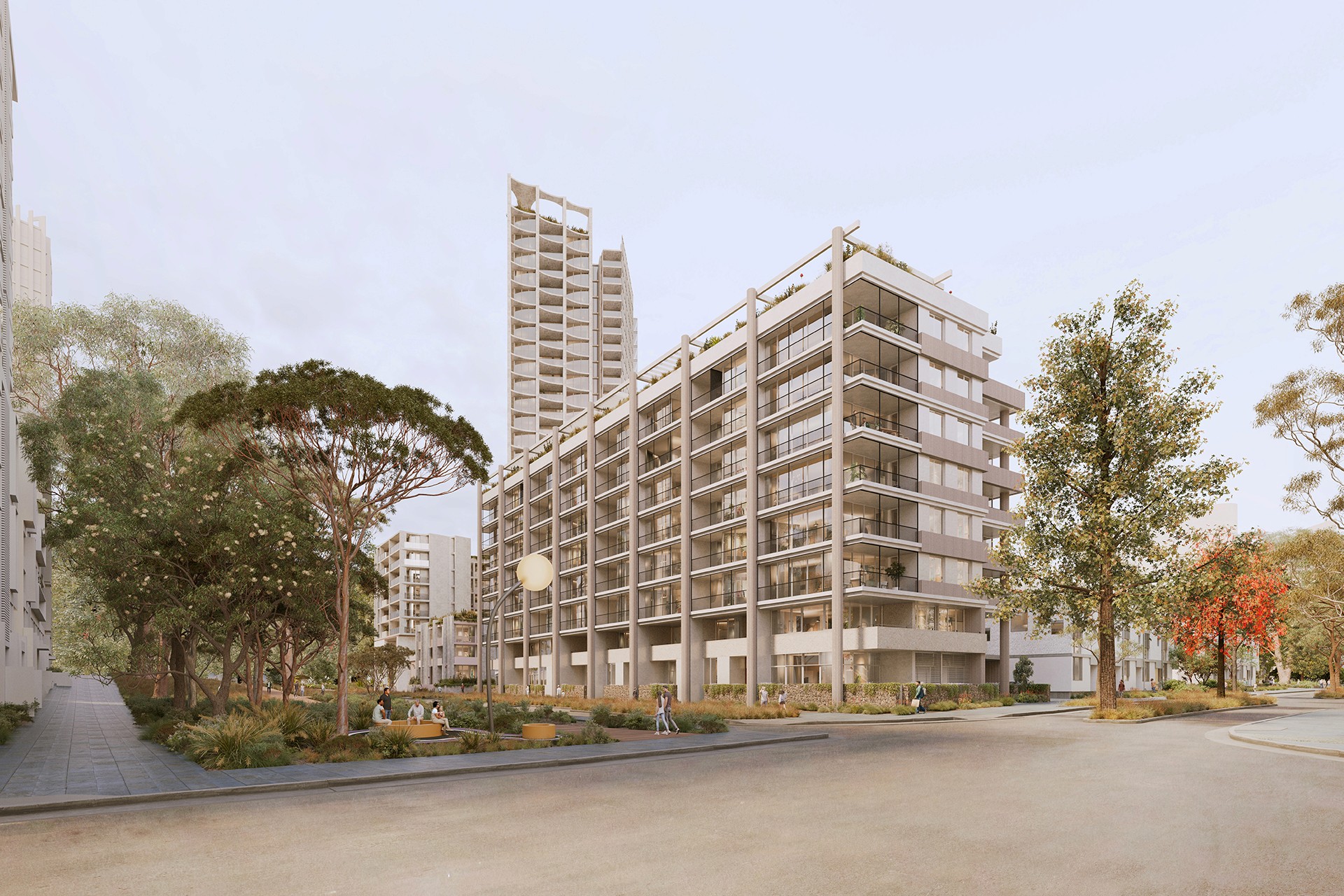
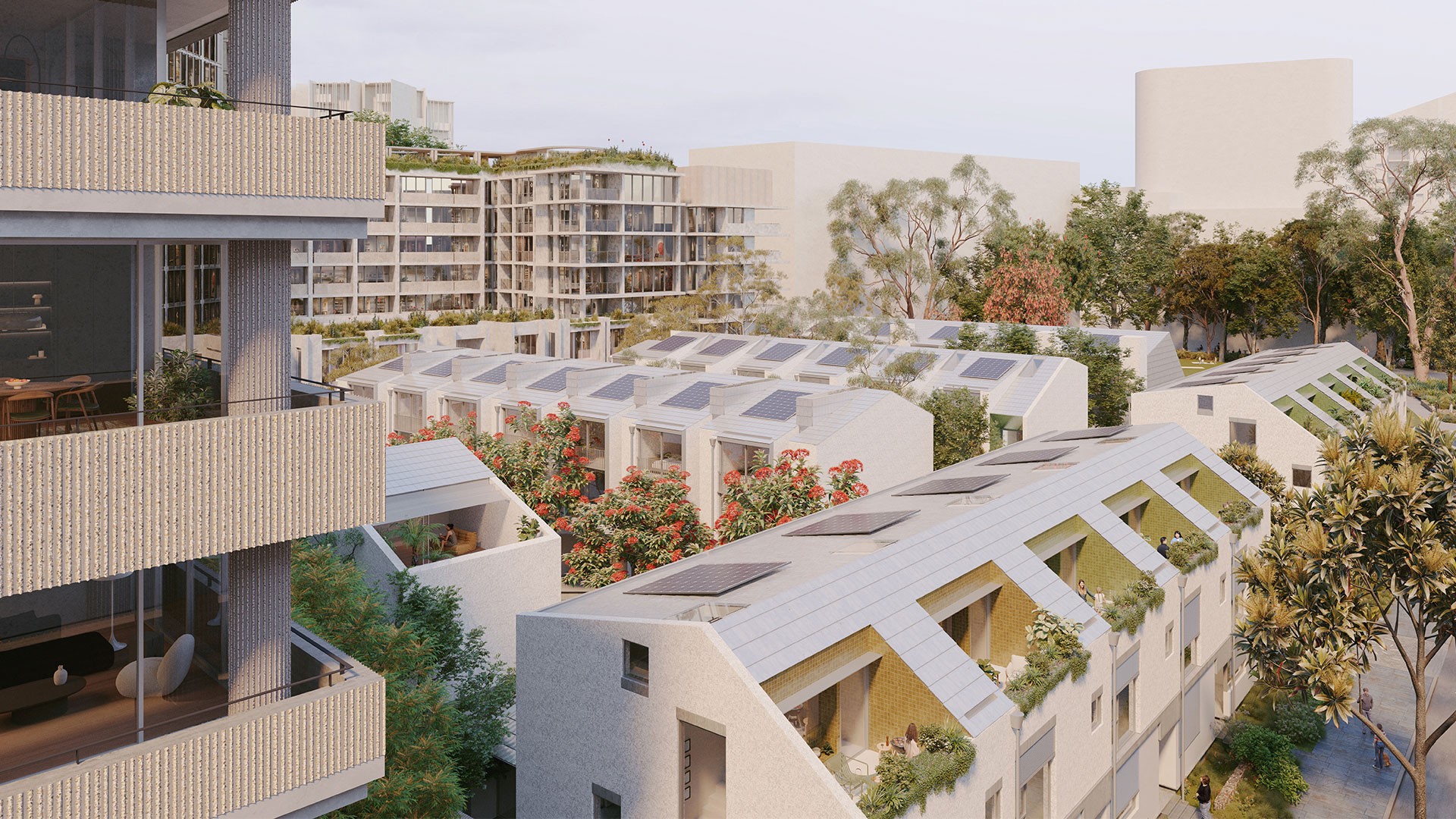
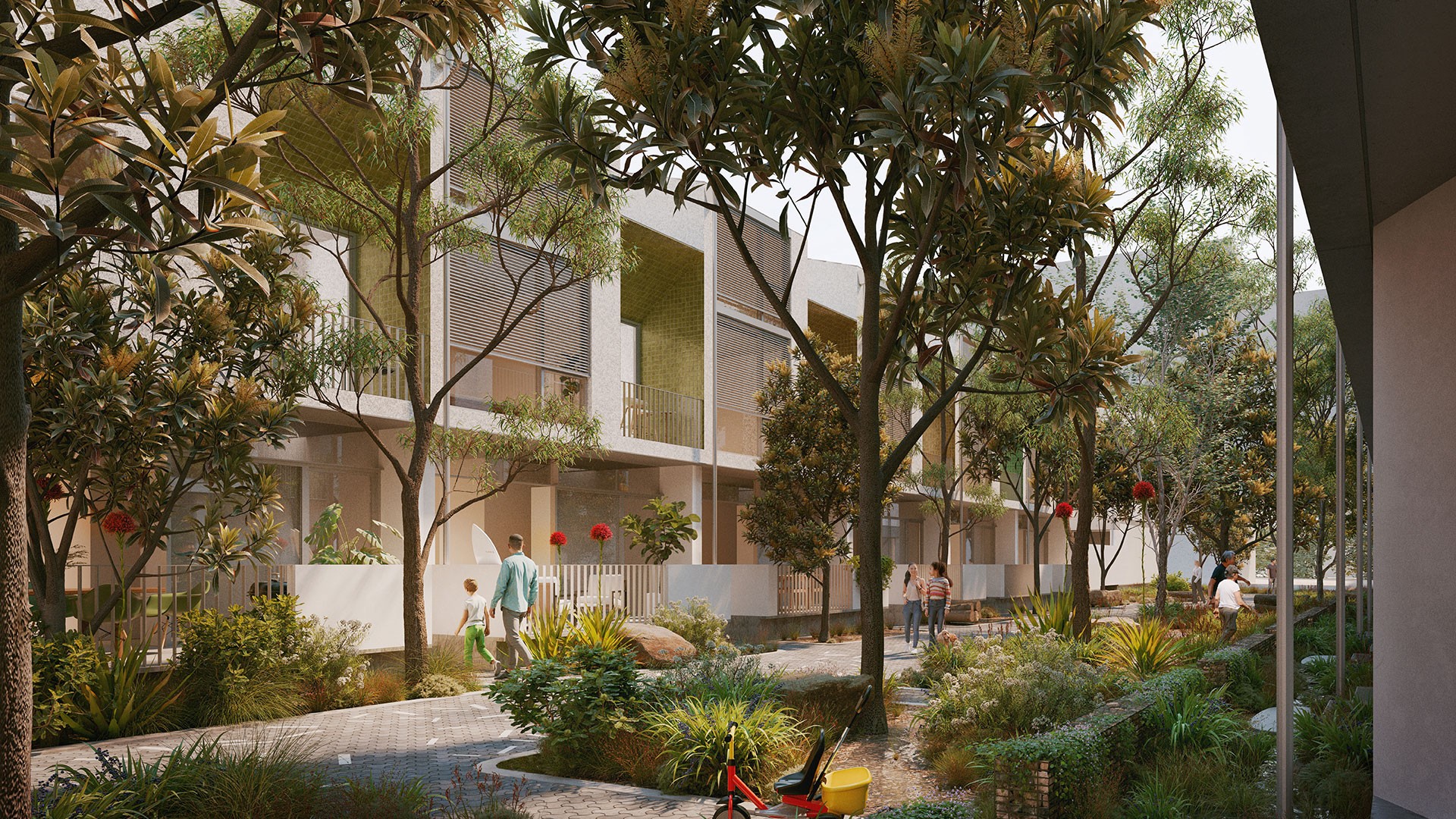
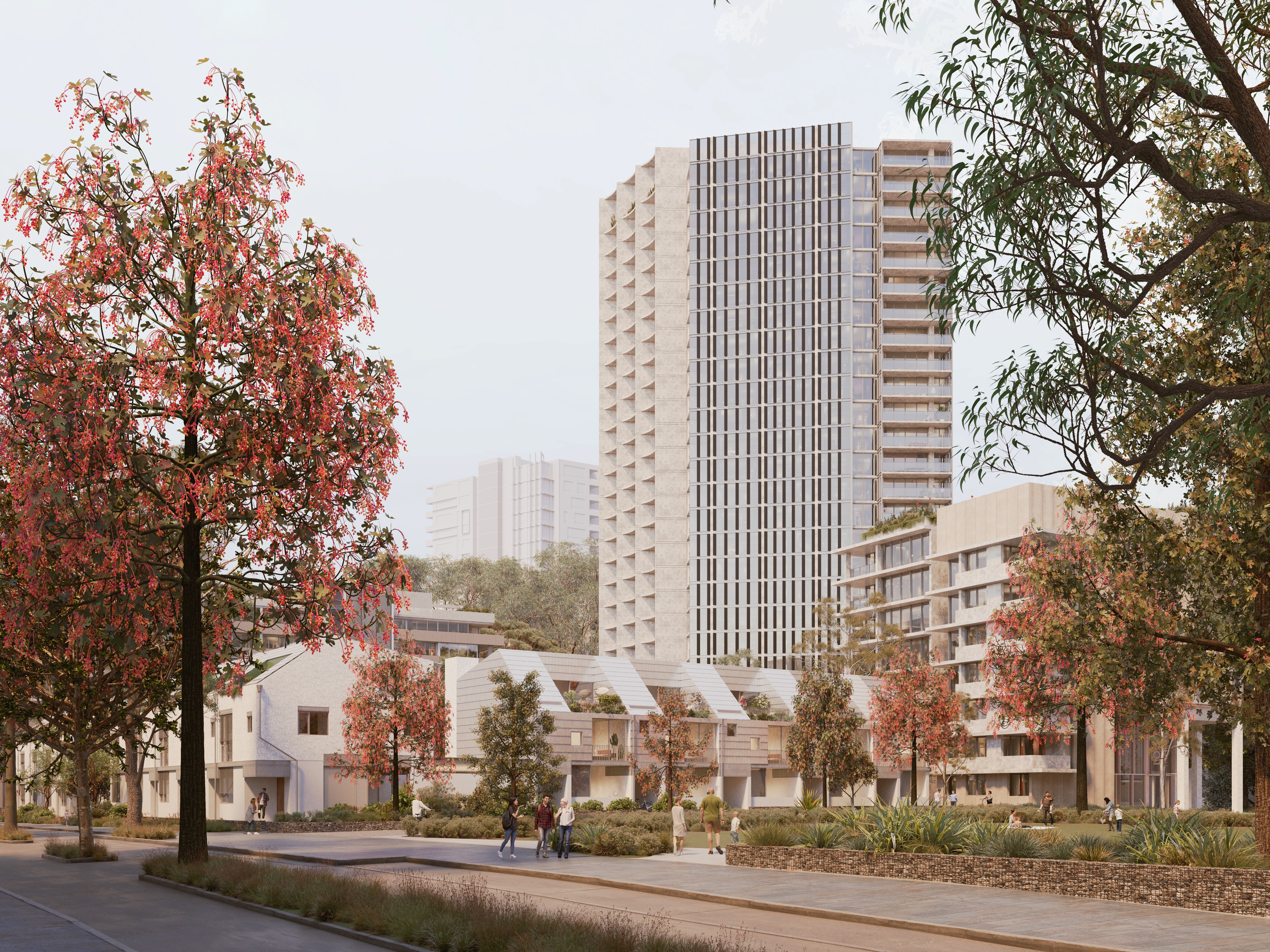
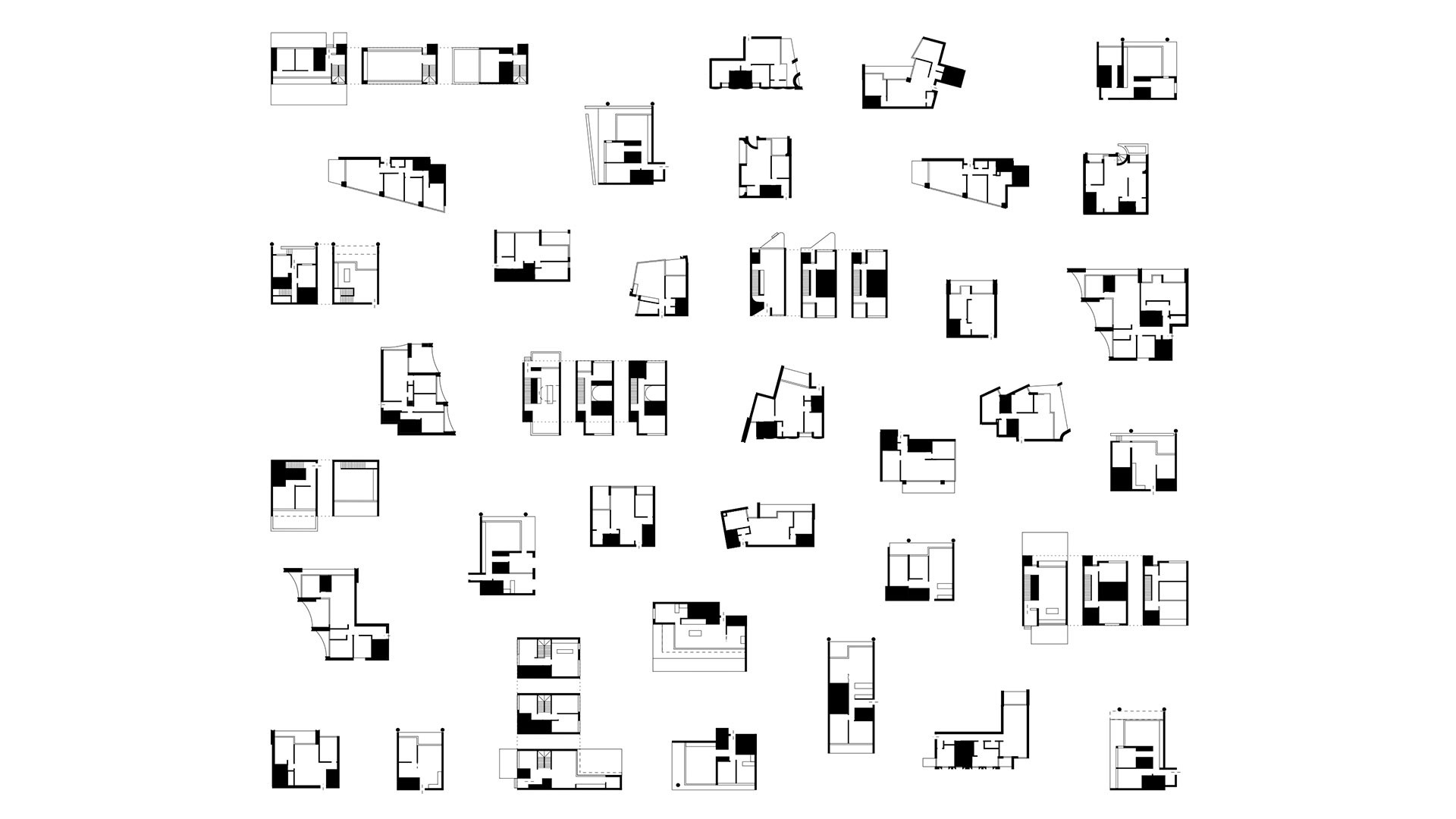
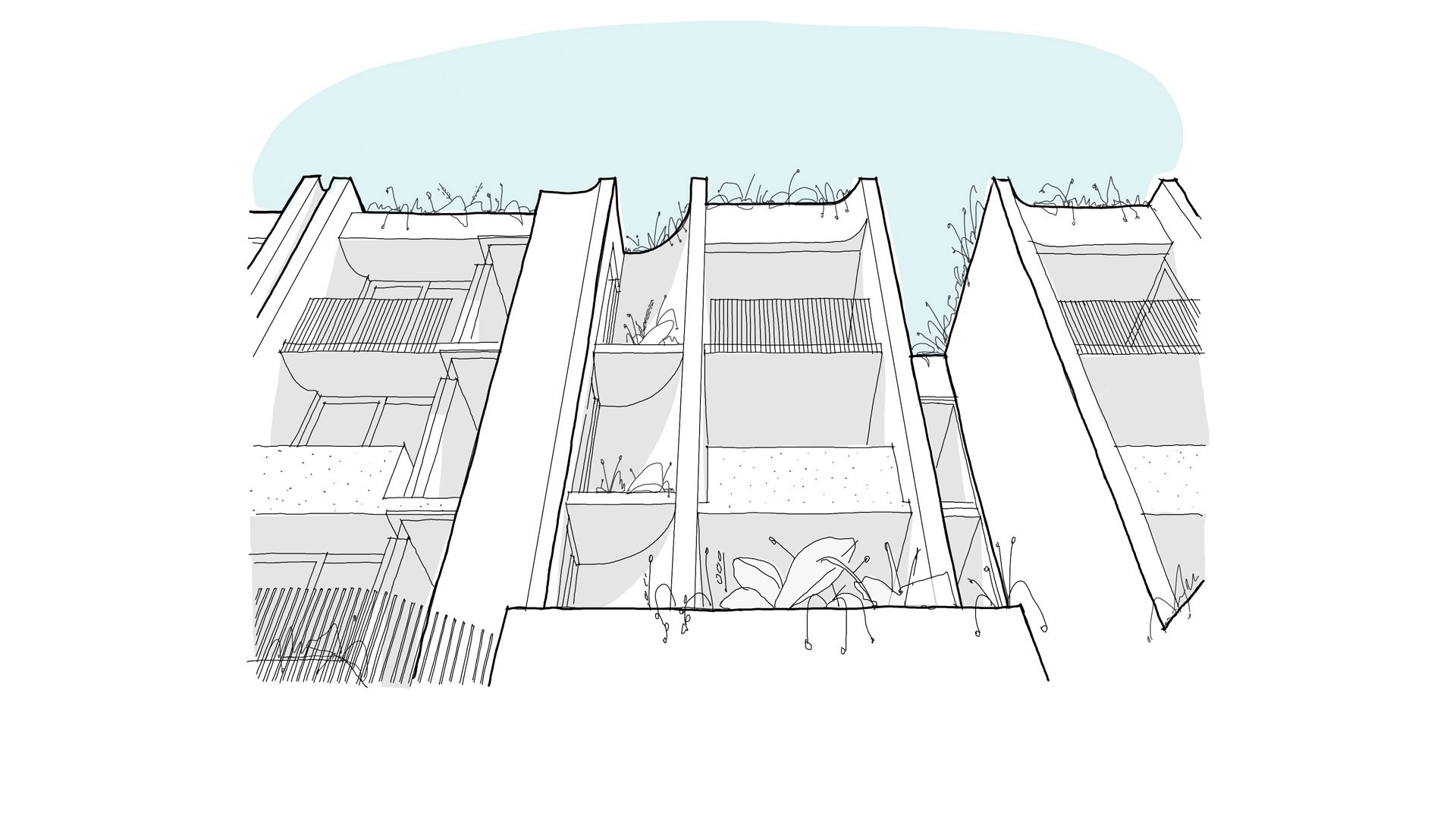
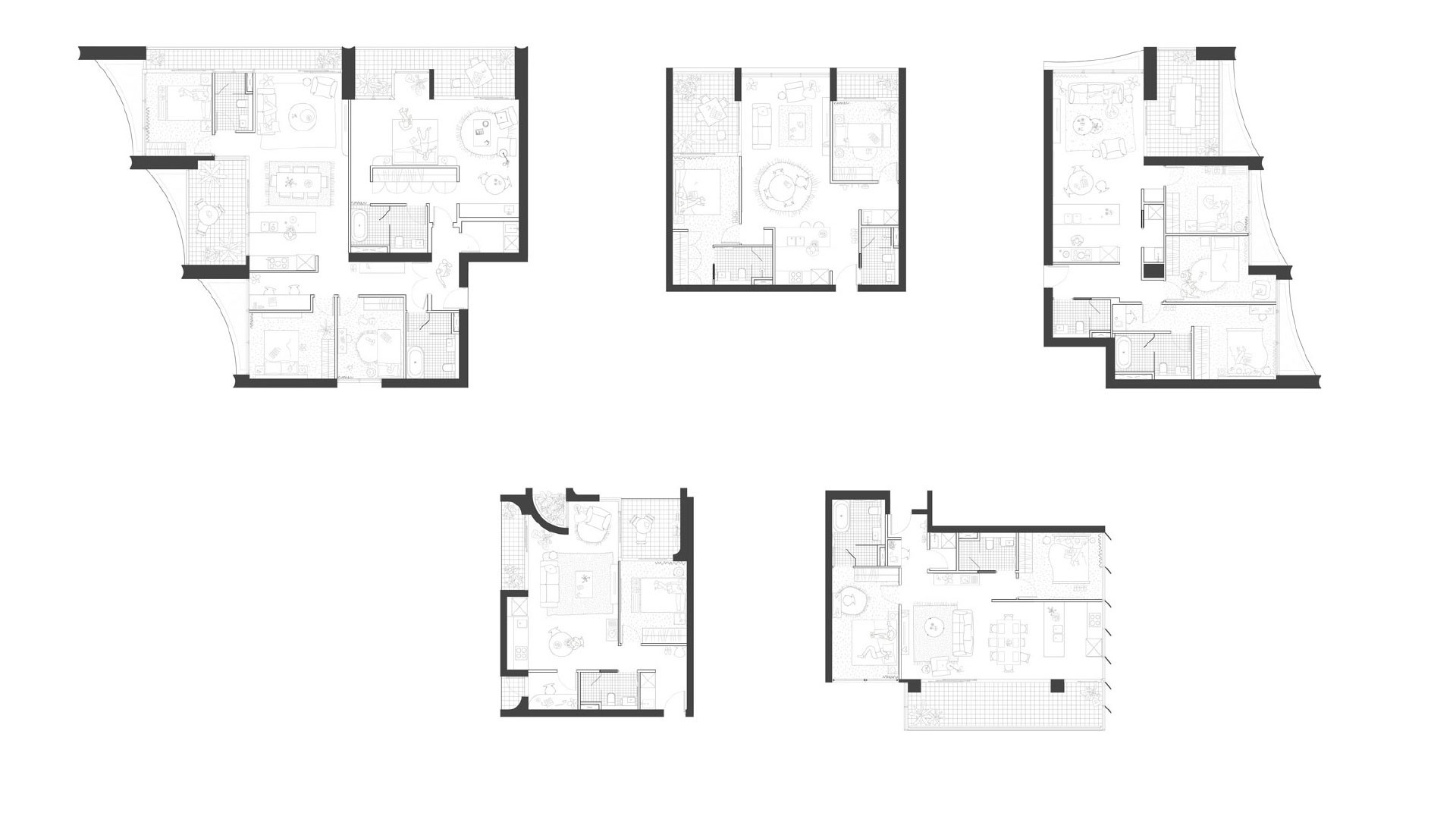
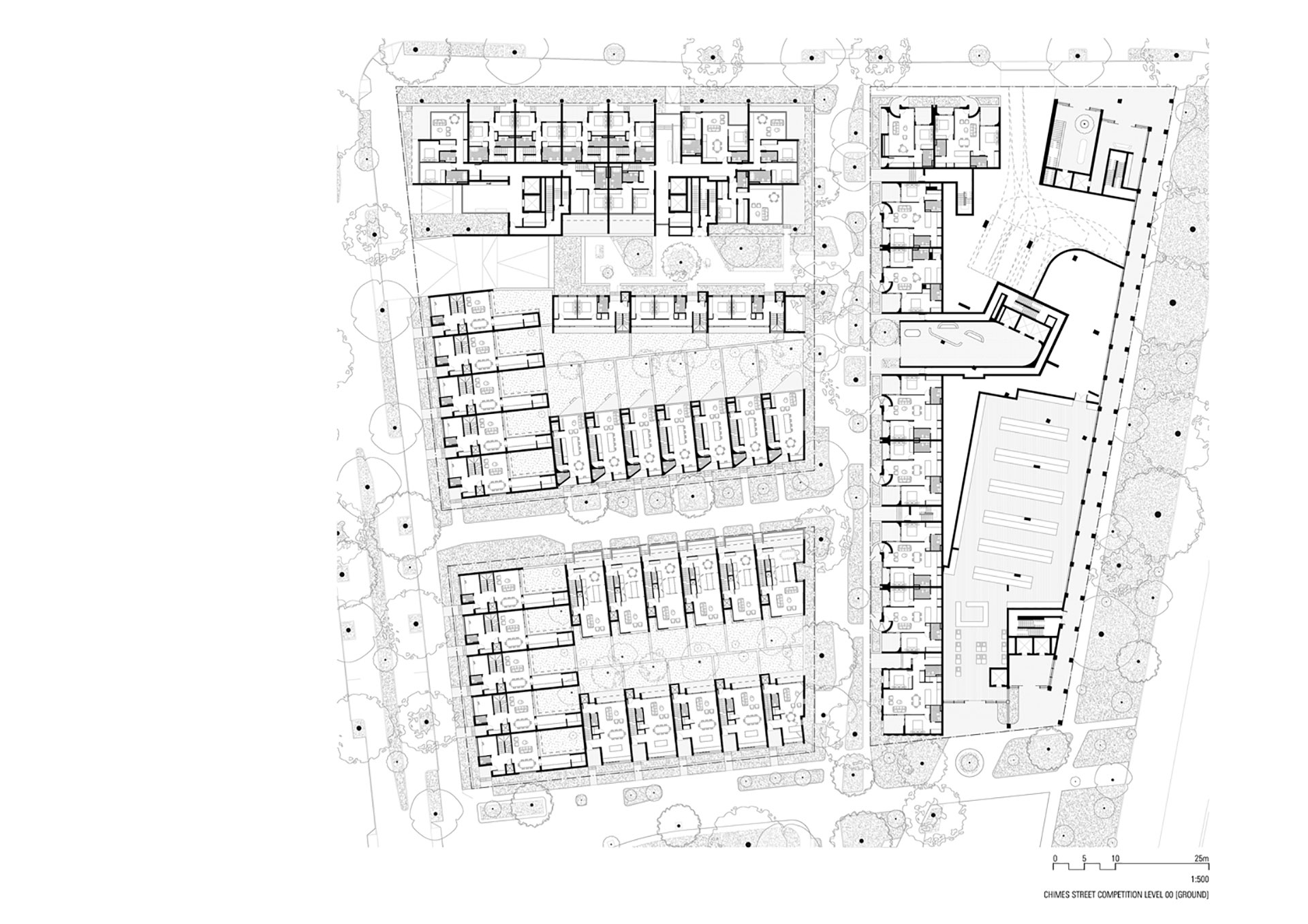
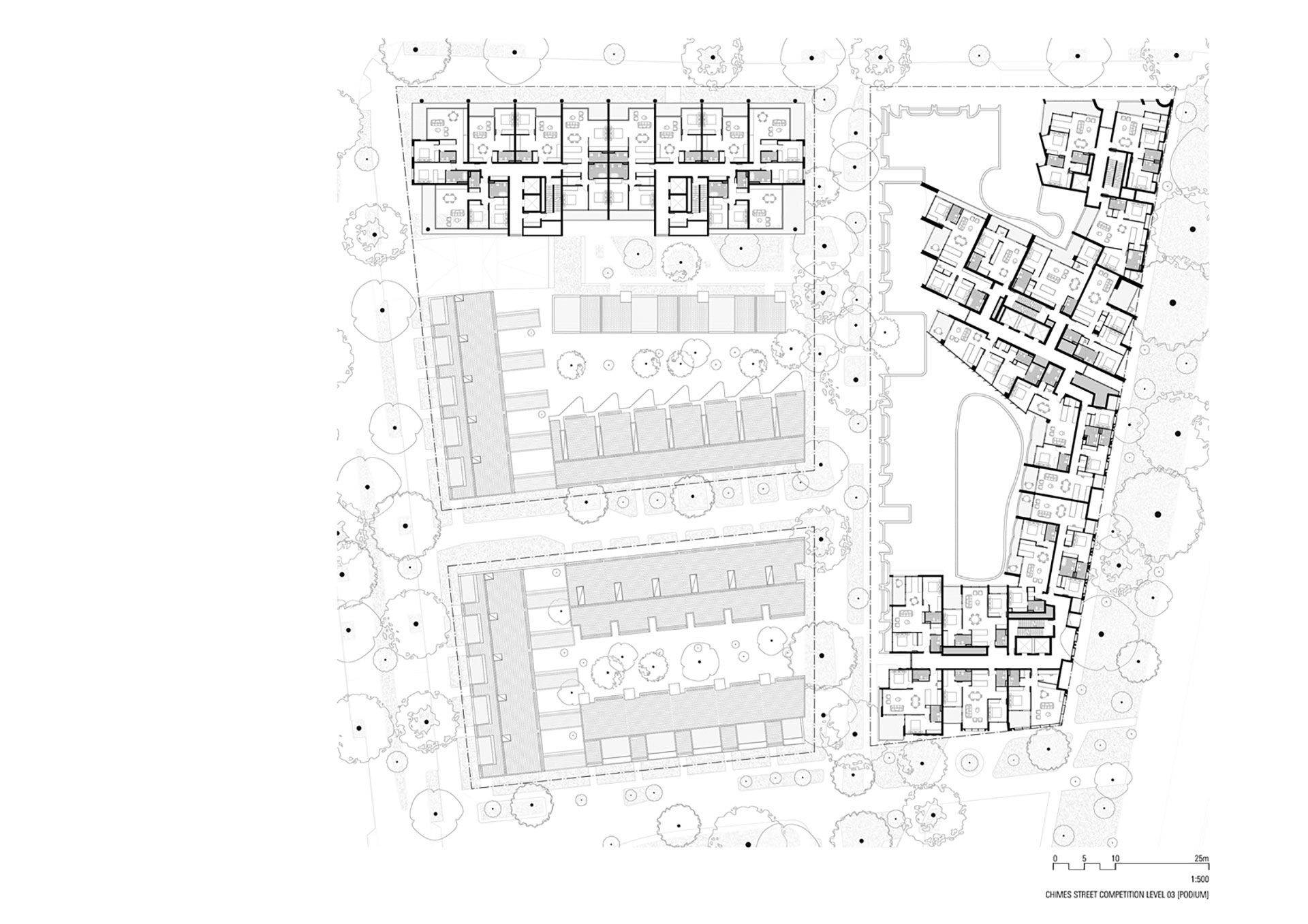
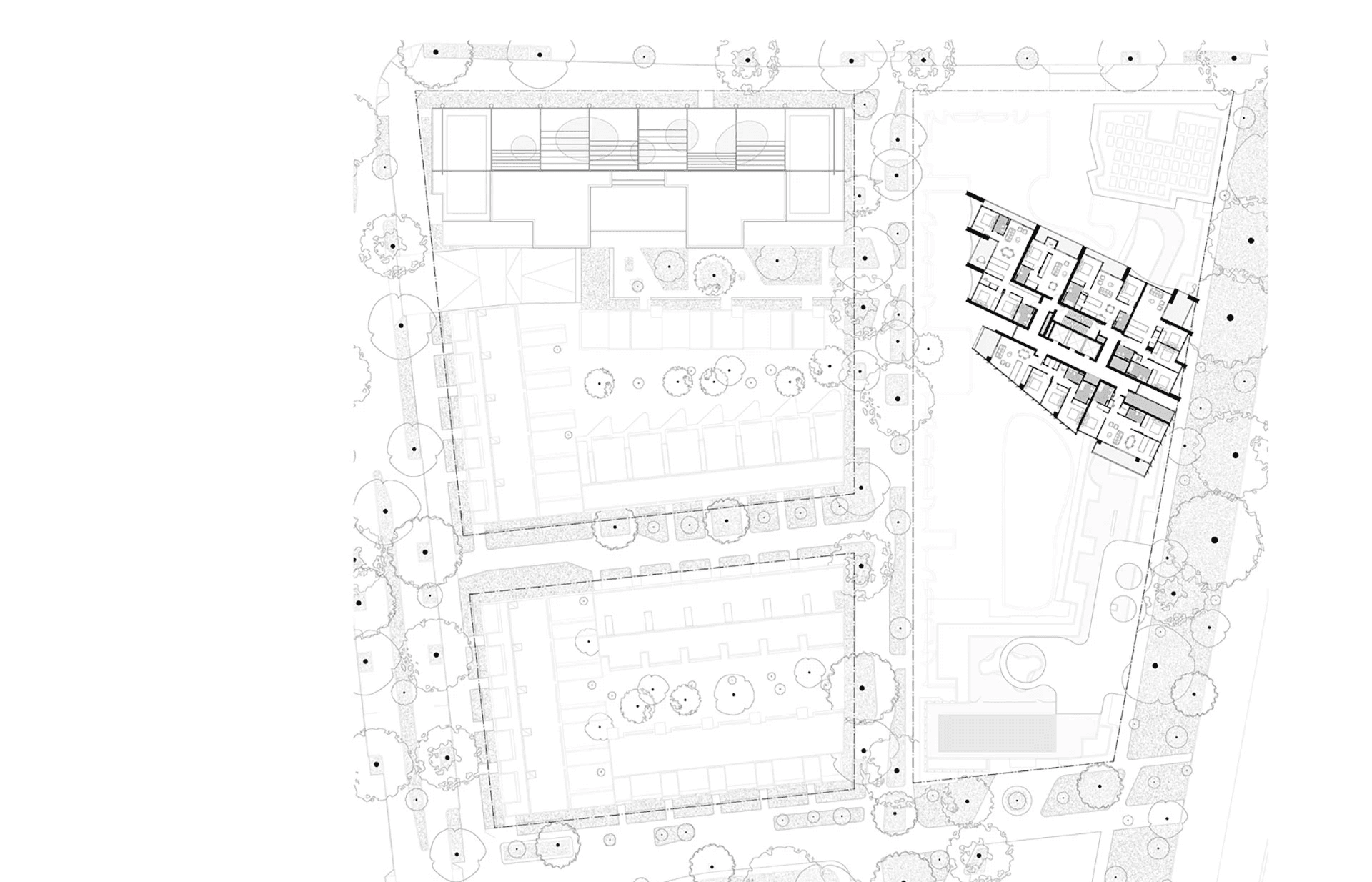
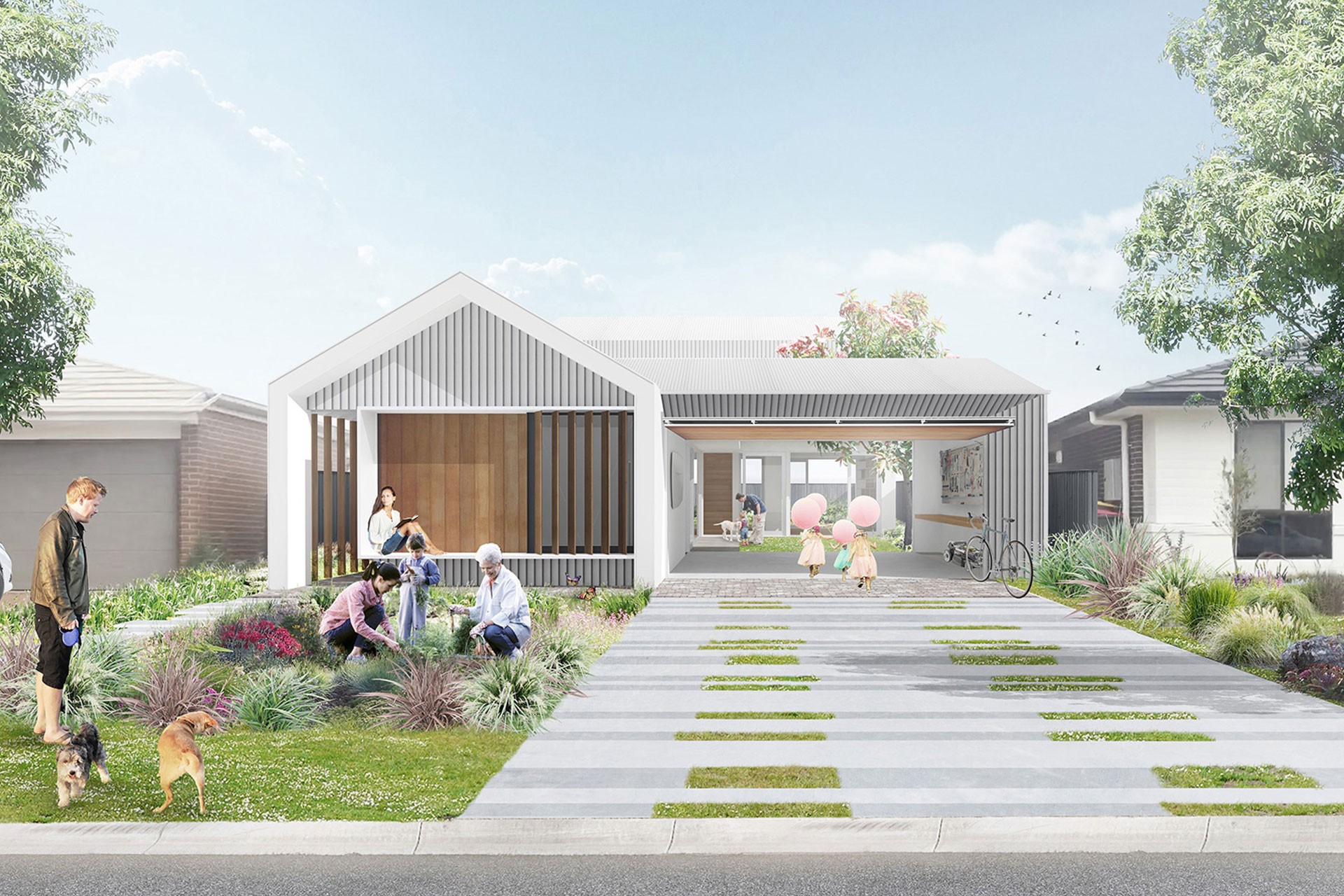
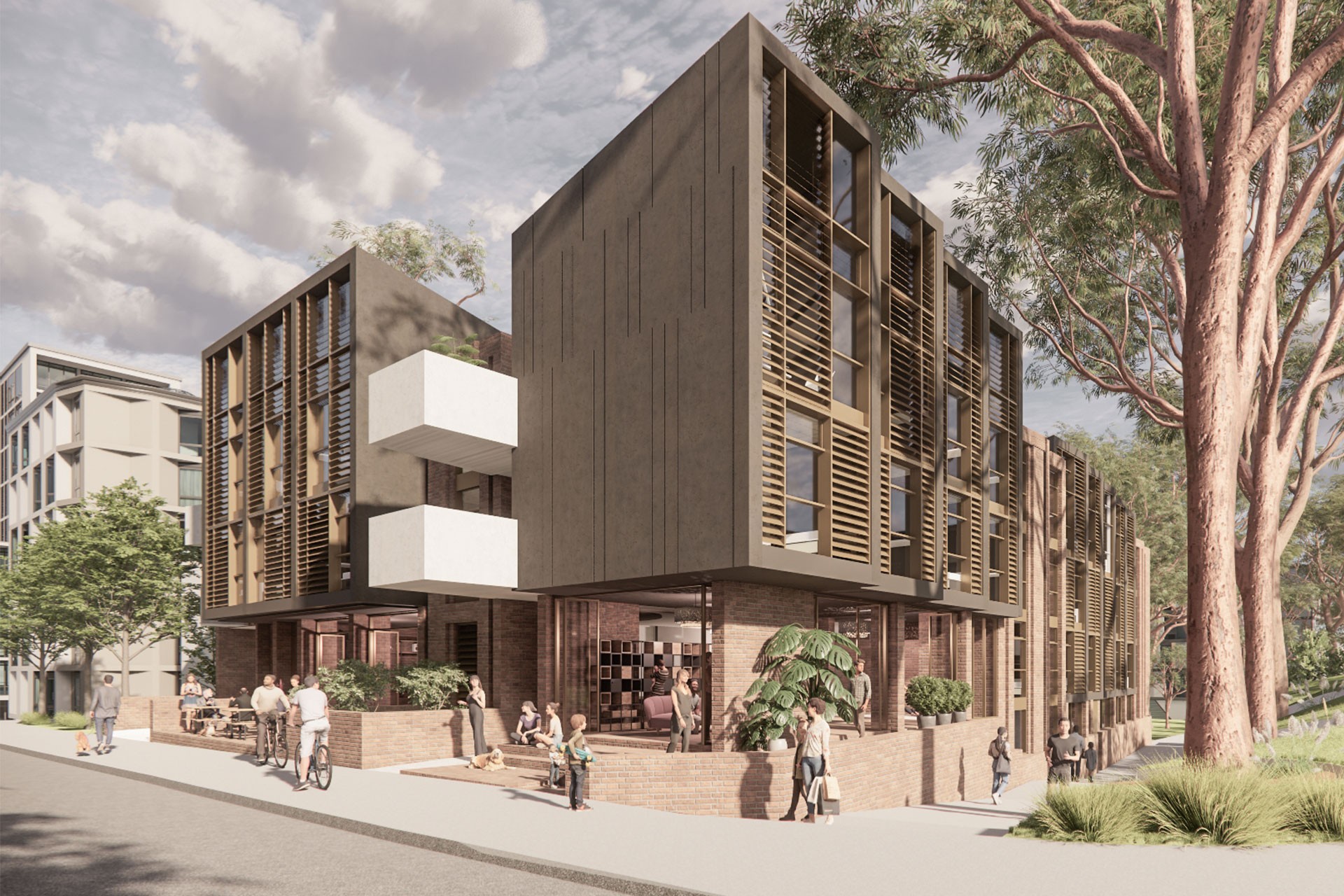
The gateway to Green Square is a fine grain ensemble of homes. This is a quietly ambitious architecture, subtle yet distinctive in character and rational in its diagram, whilst aspirational in its principles and intentions. Our concept celebrates the ensemble of parts that will make up this development and the diversity of housing that will be provided. The tower is both a gateway and an edge, a good neighbour and protective boundary. The podium and mid-rise building are both porous and permeable in their articulation of form whilst rigorous in their structural clarity. The terraces are sensitive to their street address, from avenue to laneway and mews and responsive to their orientation. Each provides flexibility in their planning to accommodate various household types and sizes. Djinjama has established three key narratives drawn from their emerging Narratives of Country – Cultural Waters, Kin of this Place and Soft Country. For each of these they have identified key lessons and opportunities for a design response. Enoughness, a term referenced by Indigenous communities from various parts of the globe, encourages us to engage with the principles of custodial sustainability to take only what is “enough” to create a beautiful, functional and engaging architectural response. It asks us to consider efficiency and resourcefulness in the design of structures and selection of materials, to not overtake from any one supplier or resource and to see beauty in the honesty of materials without the need to additional layers and finishes. This has translated to a series of buildings where the plan, structure and façade are all logical and efficient, utilising the principle of “Enoughness” in selection of construction systems and materials which include low carbon, recycled and local content. A core strategy is to build less, with exposed structure and fewer finishes. Within each of the three building typologies there is a diversity of offerings in both the size and arrangement of apartment and terraces. This diversity creates a sense of an urban village where various domestic arrangements overlap within the precinct. A disciplined approach using only building methods and components well known to the proponent to fulfill urban responsibilities of the site. Rational structure and orthogonal planning underpin the layouts of the apartment dwellings, providing a canvas for rich and delightful homes that support evolving habitation patterns. Opportunities for dwellings with multiple aspects have been embraced, taking advantage of the sun as it moves throughout the day.
category
RESIDENTIAL, SUPERMARKET + CHILDCARE
recognition
2024 Design Excellence Competition Winner
location
Zetland, Sydney
project data
10,346 m2 site area (across three lots) 77 dwellings/ha 311 dwellings: 282 apartments - 43 one bed, 173 two bed, 60 three bed and, 6 four bed 31 terraces - 3 three bed + 28 four bed
project team
Simon Mather, Bridget Rosic In collaboration with Aileen Sage Architects and Djinjama Cultural Design Images prepared by Choi Render