SMALL PROJECTS
PHASE CHANGE HOUSE
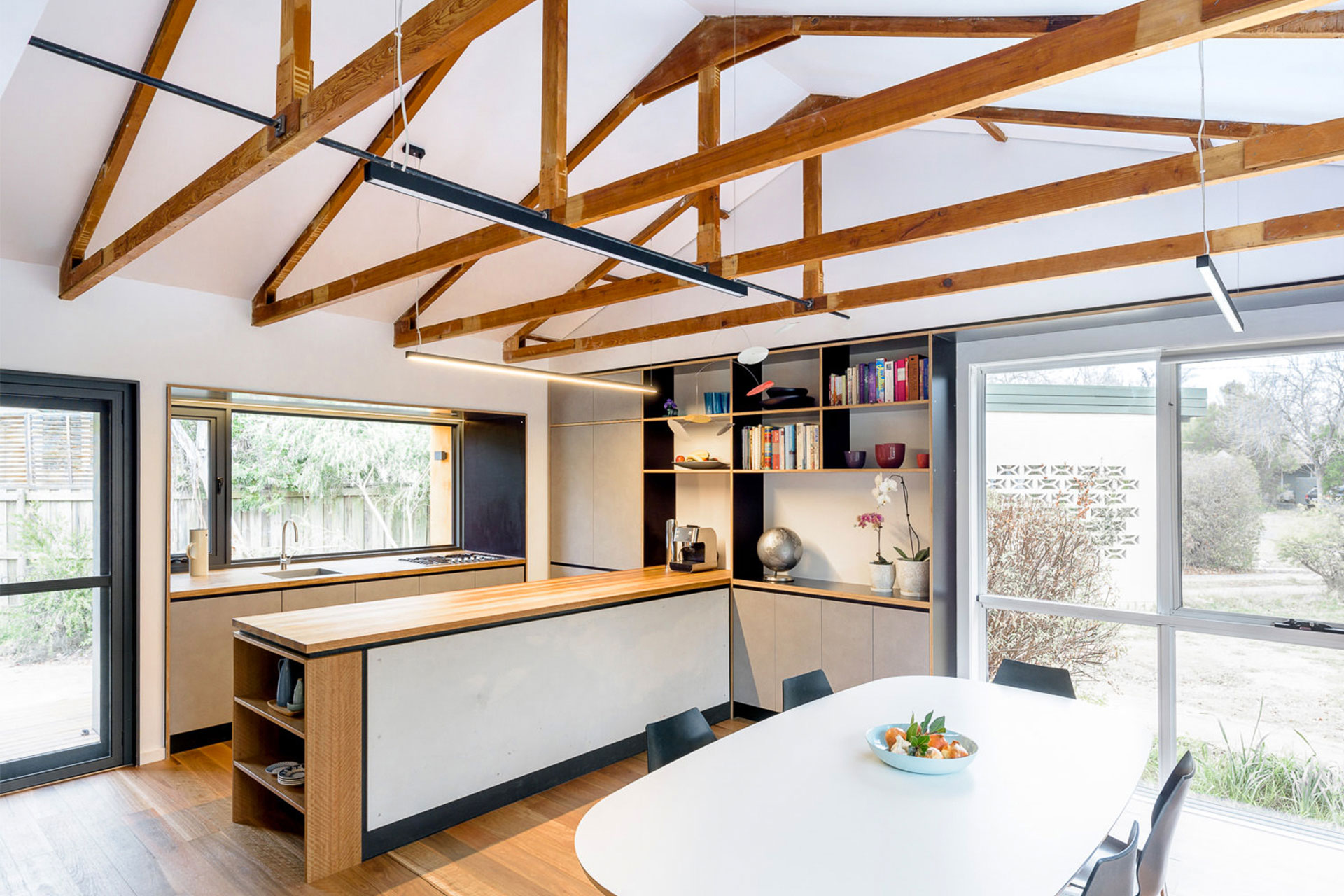
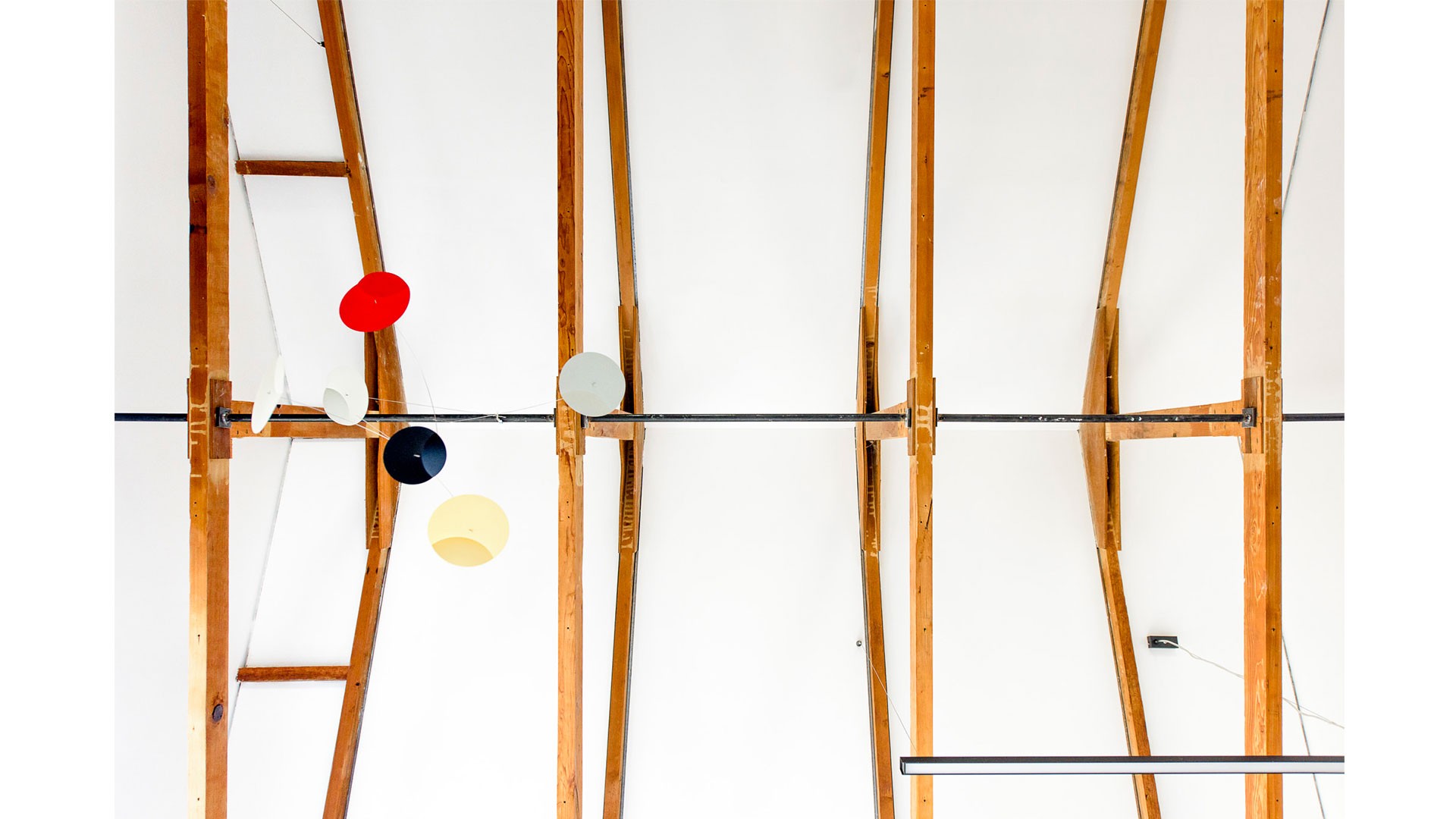
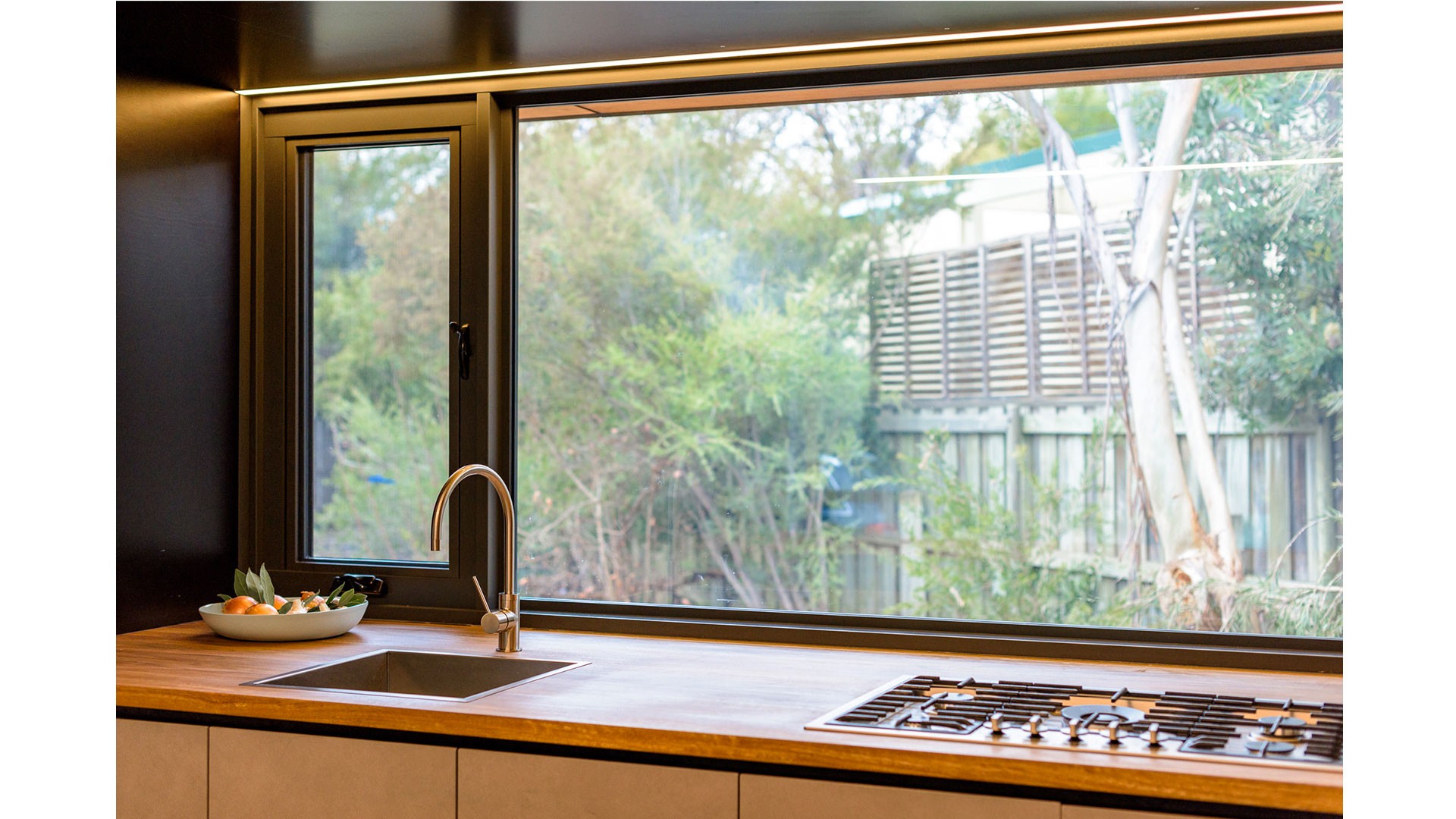
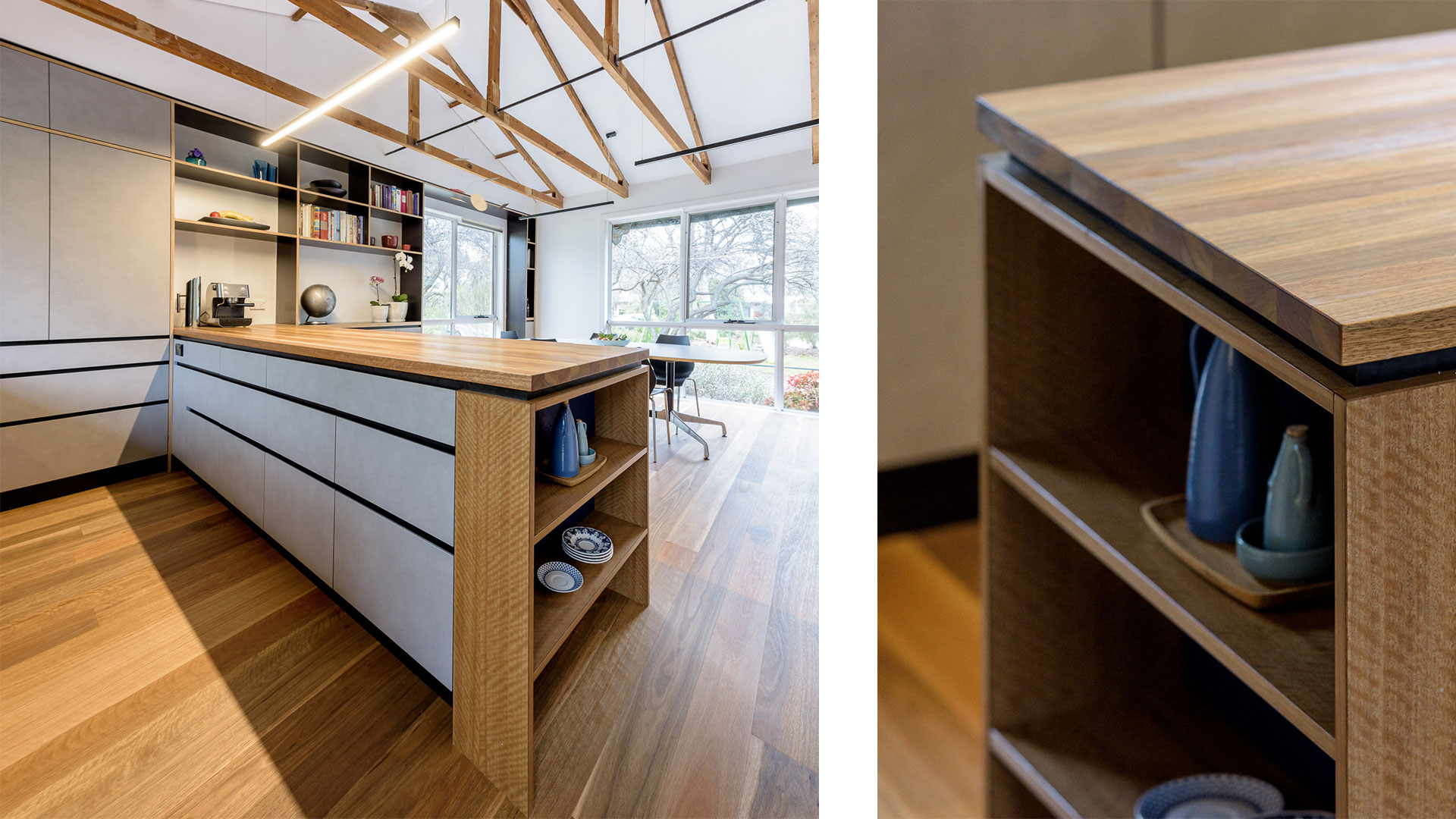
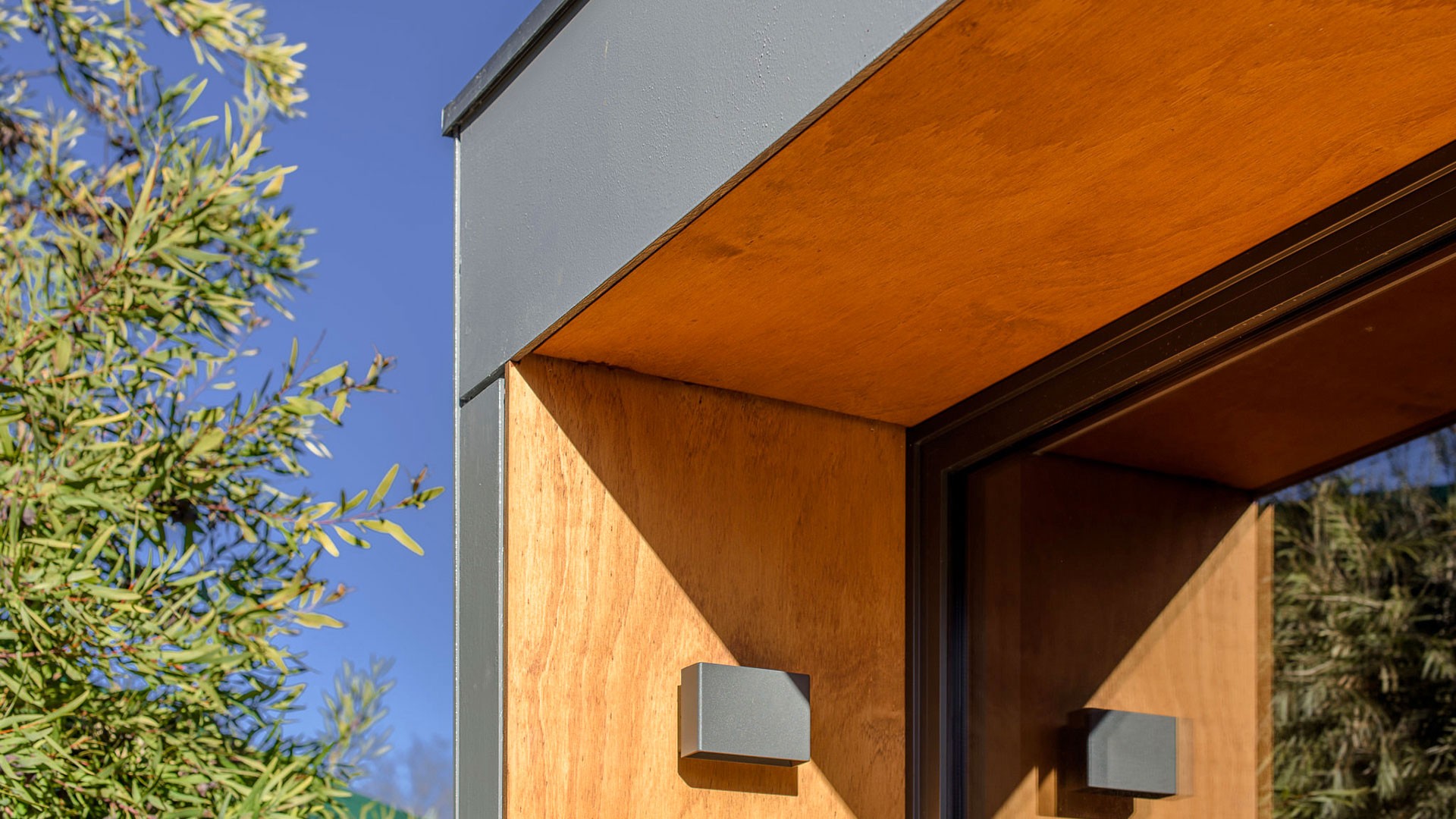
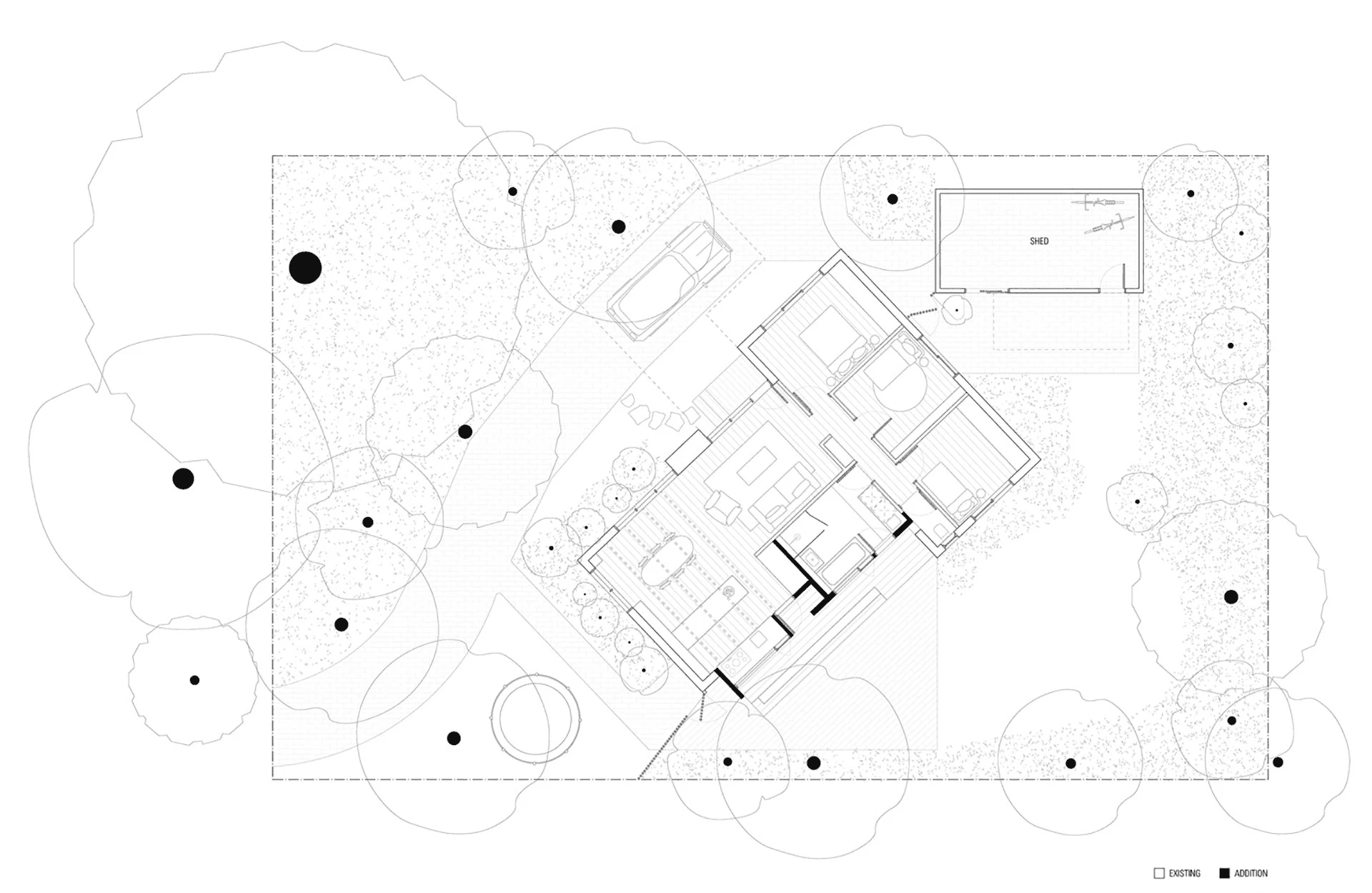
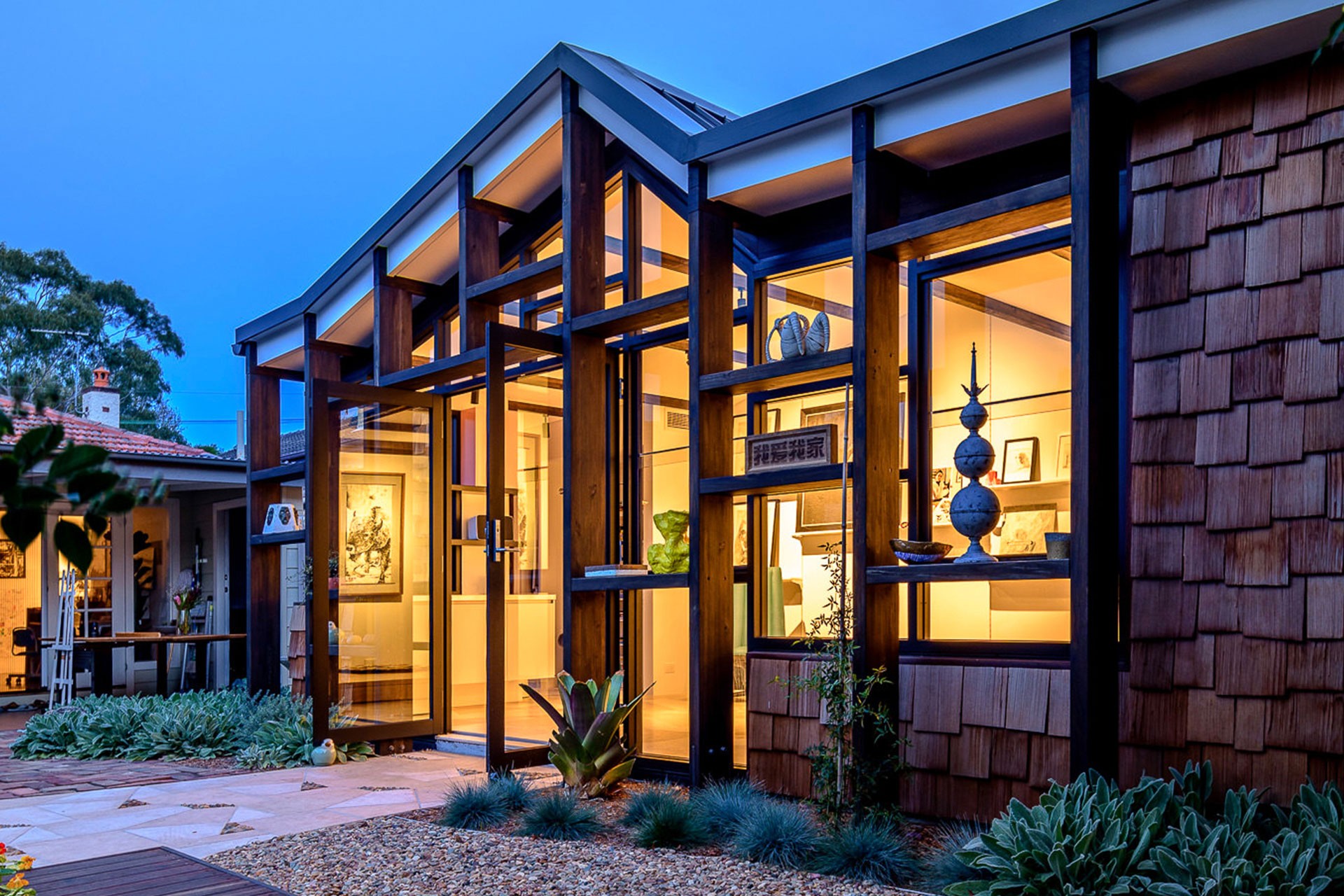
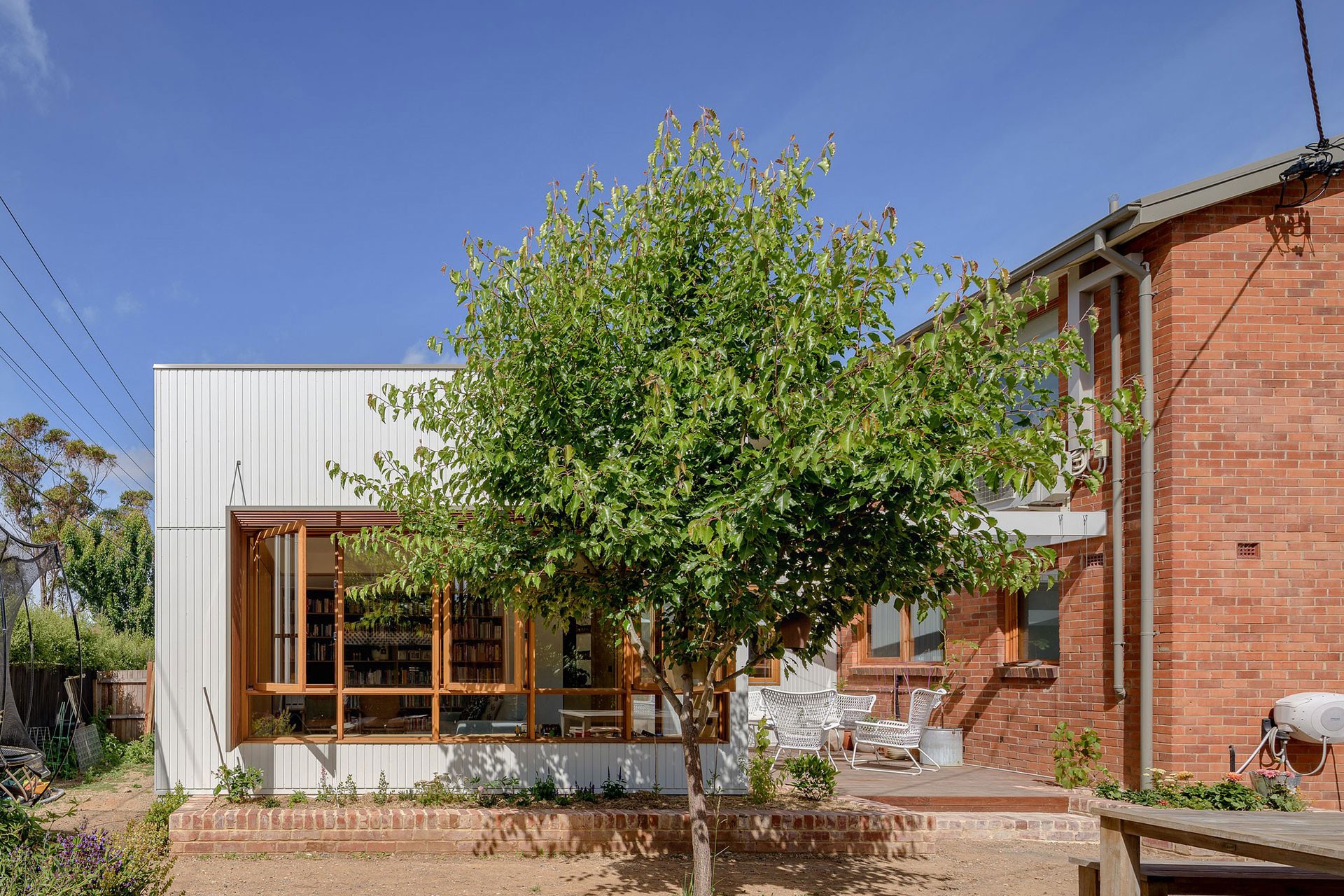
The alterations and additions on the family home were developed as part of an approach to working on existing building, a 1961 house constructed as part of the development of Dickson, that seeks to identify and embrace the constraints - financial, temporal and physical that are the reality of architectural practice. This family home was completely re-invigorated with minimal addition (just 6sqm) to the existing footprint and to prepare the home for future additions. When the current owners occupied the house it was essentially sound, however the small (87sqm) footprint and cellular, outdated internal arrangement did not meet the needs of their growing family. Through the insertion of a ‘bay window’ addition to the rear of the the living space was unlocked allowing the re-arrangement of kitchen, laundry and bathroom. By exposing the existing cedar roof trusses a generous vertical dimension was created for the ‘new’ living area that balanced the double sided orientation of the living space and and acknowledges and celebrates the straight forward yet beautiful methods used to build the home. Future changes to the dwelling are anticipated and planned for - a two storey pavilion in front of the existing dwelling to provide additional living spaces and parents suite. The pavilion is intended to be constructed as an essentially new building that will require almost no change to the existing house, the new interventions having prepared it for the later phases of work.
category
SMALL PROJECTS
recognition
2018 WINNER OF THE CYNTHIA BREHENY AWARD FOR SMALL PROJECT ARCHITECTURE
location
Canberra, ACT
project data
6sqm minimal intervention alts and adds
project team
Erin Owens