Saving The Ex Govvie
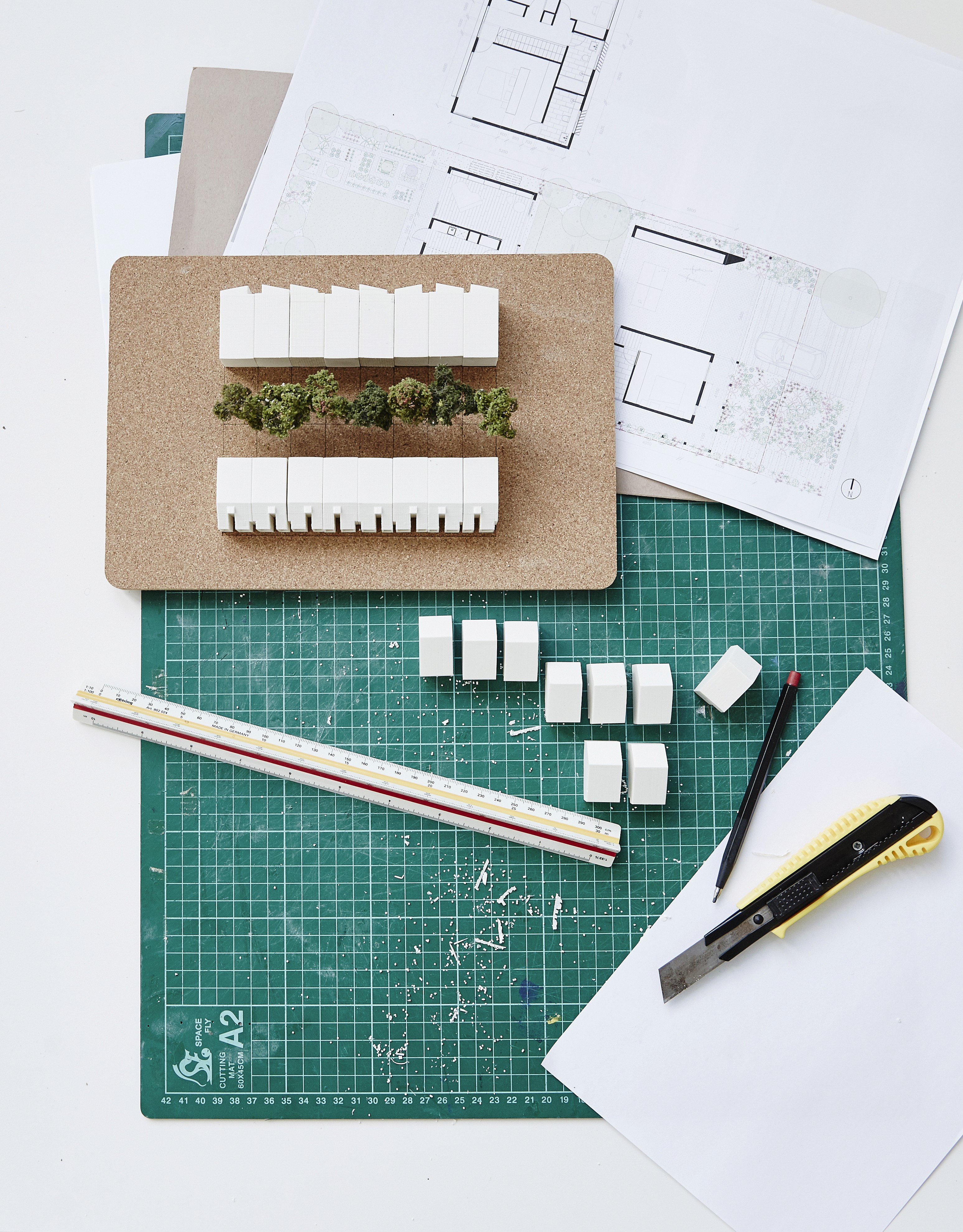
Since relocating from Sydney to Canberra in late 2015, my practice has been split between ongoing contributions to larger scale residential and urban design projects in Sydney [mostly] and running a series of smaller scale projects to upgrade existing dwellings located in established suburbs here in Canberra. These started with a need to improve my own house and led to a series of projects that had surprisingly similar briefs, budgets and challenges.
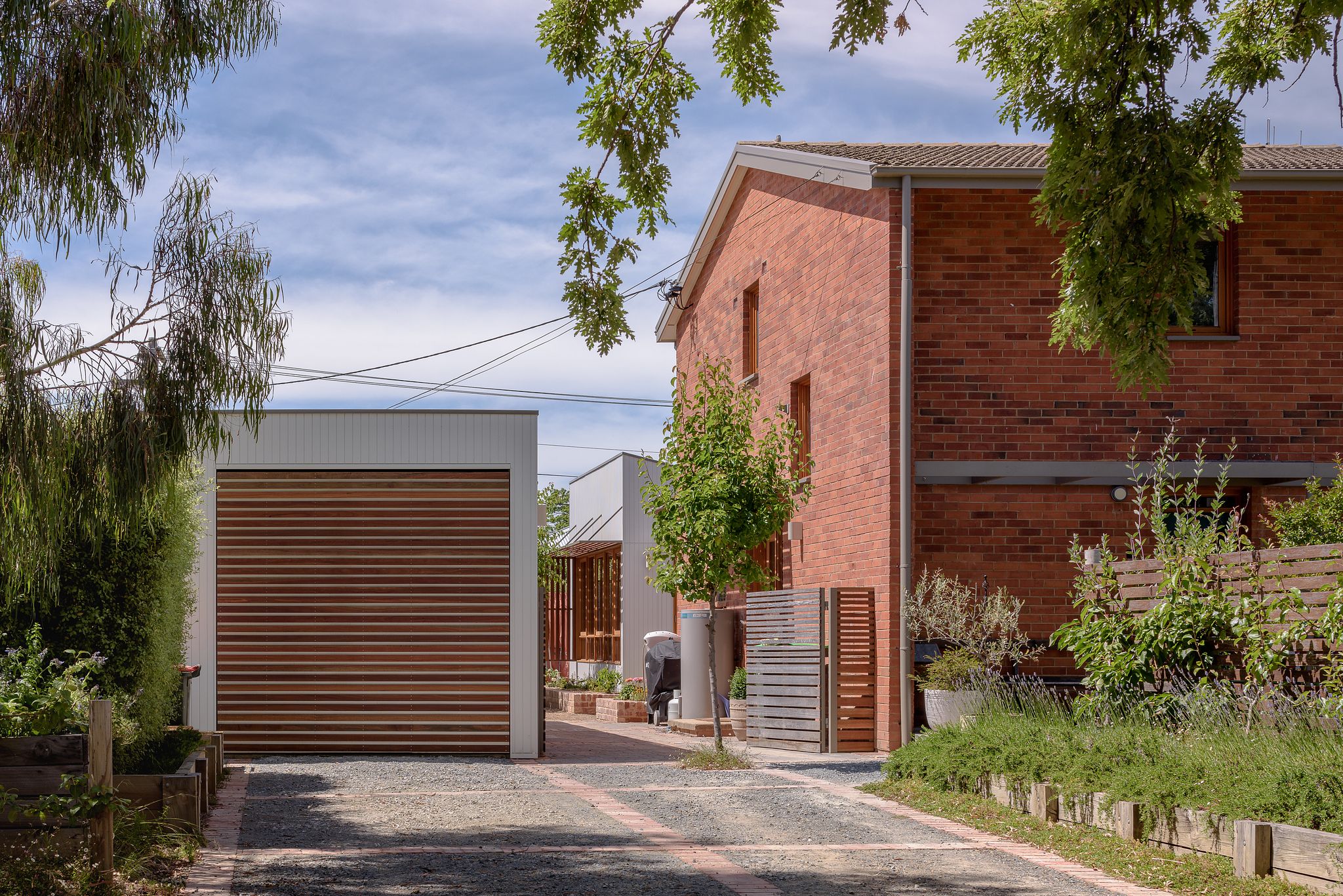
The shared characteristics of the existing dwellings that have been worked upon are modesty [both in size and expression] and similarity in construction methods, be they ‘ex-govvies’ or privately built homes - all the houses were built between 1955 - 1965
Reflecting on the projects, the themes that emerge are founded in an approach to working on existing buildings that seeks to identify and embrace the constraints - financial, temporal and physical - that are the reality of architectural practice.
Constraints provide opportunities.
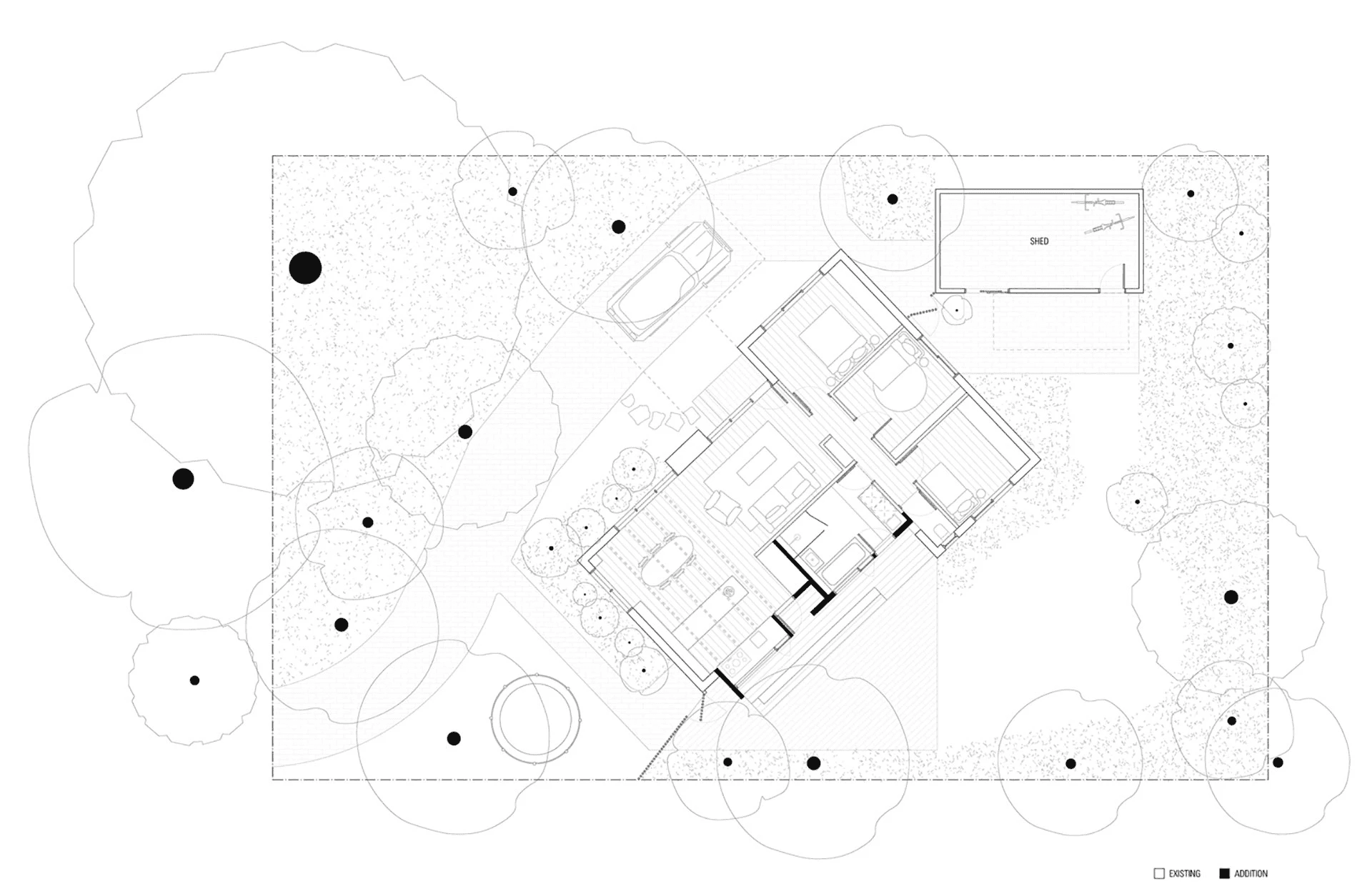
Spiralling construction costs are particularly acute when dealing with existing fabric, which is inherently a slow uncertain process, leading to a strategy where limiting the work to the original house to the absolutely necessary paired with a ‘new build’ located in relationship to the existing house ameliorates construction costs whilst also revealing opportunities for delightful courtyard spaces between the new and old - an outcome that is particularly suited to Canberra’s climate.
Less can [and should] be more - carefully considered adjustments to the existing fabric can ‘unlock’ cramped, cellular and awkward houses without necessarily increasing the floor space as well as to embrace the notion of the ‘home’ occupying the entire site, not just the building envelope.
Generosity does not equal floor space. Provision of volume in an otherwise ‘efficiently planned’ area adds a vertical dimension so often lacking in market housing from the middle of the 20th century, elevating the space from the pragmatic to something joyful.
Sustainability - the perfect should not be the enemy of the good in this context. The work required to upgrade an existing dwelling to current best ESD practice very quickly leads to a logic of ‘knock down and rebuild’ - in some cases this is definitely the best answer - however this is often outside the budget parameters set by clients. Consequently developing a list of measures that can be done to the existing fabric [ranked by ‘bang for buck’] whilst ensuring the new build portion is best practice is the approach taken.
Often the existing dwellings are sited with little to no regard to prime solar access. Careful analysis of the sun’s movement and how desirable sunshine might be captured allows design solutions that both improve the thermal performance of the buildings as well as addressing adjacency issues with neighbouring properties [overlooking/privacy].
The approach to detailing and materials selection goes beyond simple aesthetics but seeks to acknowledge the deeper qualities of the elements - thermal mass, structural function, connections. As such materials are left exposed and utilised to compose the spaces rather than concealed by an applied finish.
Having operated something of a ‘split personality’ practice, one foot in the large scale developer driven multi-residential world and the other in small scale bespoke domestic projects, has revealed an unexpected cross fertilisation where external constraints, budget/existing fabric or yield/regulatory framework have led to a consideration of architectural generosity/delight that isn’t necessarily founded in extravagant formal gestures, but rather a subtler more nuanced approach that is fundamentally about proportion, light and clarity.
Authored by Erin Owens